Common A/c Repair Issues and How They Impact Your Home Heating and Air Performance
Understanding typical HVAC repair work issues is vital for keeping ideal home heating and air efficiency in residential and business settings. Issues such as filthy air filters, cooling agent leakages, malfunctioning thermostats, and ductwork complications can bring about raised energy intake and unpleasant indoor climates. Furthermore, inadequate insulation might exacerbate these ineffectiveness, additionally influencing your energy costs. Identifying these concerns not just boosts comfort but also prolongs the lifespan of your system. Nevertheless, the implications of overlooking these repairs can be profound, leading one to consider the lasting consequences on both effectiveness and expense.
Dirty Air Filters
Among one of the most typical a/c fixing issues come across by home owners is the presence of dirty air filters. Over time, air filters gather dust, plant pollen, and various other particulates, which can considerably hinder air flow. The Cooling and heating system must function harder to maintain desired indoor temperature levels when air movement is restricted. This boosted work not just results in greater energy consumption but also increases deterioration on the system components, potentially leading to premature failing.
Regular upkeep, including prompt replacement of air filters, is vital for optimal cooling and heating performance. Home owners must evaluate filters monthly and replace them every one to three months, depending on use and ecological problems. Dirty filters can likewise add to indoor air high quality problems, as they fall short to efficiently trap irritants and pollutants.
In addition to performance and health problems, neglecting air filter upkeep may lead or invalidate warranties to costly repair work expenses. By proactively attending to unclean air filters, homeowners can boost their cooling and heating system's performance, extend its lifespan, and create a much healthier living atmosphere. Ultimately, recognizing the value of clean air filters acts as a foundational action in liable a/c management.
Cooling agent Leaks
Air filters play an important duty in preserving a/c performance, however another significant problem for home owners is refrigerant leaks. Refrigerant is the compound that takes in and releases heat within the system, promoting the cooling and heating procedures. When a leakage occurs, the cooling agent degrees go down, resulting in reduced system efficiency and raised energy consumption.
Recognizing a cooling agent leak can be tough, as the indications might not be instantly evident. Common indicators include irregular interior temperatures, raised energy bills, and the existence of ice on the evaporator coils. If left unaddressed, refrigerant leakages can create significant pressure on the compressor, possibly resulting in expensive repair work or system failing.
Cooling agent leaks posture environmental problems. Numerous cooling agents consist of greenhouse gases that add to international warming and ozone exhaustion (Air Duct and vent Cleaning). Prompt discovery and fixing are essential not only for keeping A/c effectiveness yet likewise for ecological defense.
Homeowners need to schedule regular upkeep talk to qualified HVAC experts to keep track of refrigerant degrees and evaluate for leaks. This proactive strategy assists guarantee optimum performance, boosts energy effectiveness, and lengthens the life expectancy of the cooling and heating system.
Malfunctioning Thermostats
Among the numerous components that ensure the efficient operation of a heating and cooling system, thermostats play a critical role in preserving and controling indoor temperature levels convenience levels. A defective thermostat can considerably interrupt this balance, leading to rising and fall temperature levels and raised power intake. Typical issues hvac include inaccurate temperature level readings, unresponsive controls, or failure to connect with the heating and cooling system.
When a thermostat incorrectly evaluates click here to find out more the indoor temperature, it may trigger the HVAC system to run longer than needed, resulting in greater power costs and unnecessary wear on the devices. Furthermore, a thermostat that becomes unresponsive can leave an area either also cold or as well warm, jeopardizing occupant convenience (Residential refrigeration). Damaged wiring or outdated innovation can likewise add to these issues, demanding timely repairs or replacements
Normal upkeep and prompt assessments are important to make certain the thermostat runs efficiently. Property owners must consider upgrading to clever or programmable thermostats, which offer boosted control and efficiency. Addressing thermostat malfunctions immediately can not just enhance comfort but additionally enhance the general performance of the HVAC system, inevitably saving energy and lowering operational costs.
Ductwork Troubles
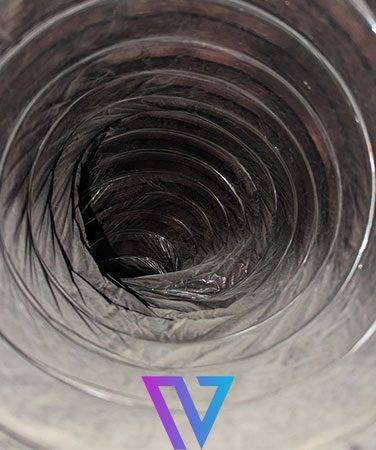
Leaks in ductwork can take place as a result of age, deterioration, or inadequate installation, resulting in conditioned air getting away before it gets to intended rooms. This not just lowers convenience degrees but additionally forces the cooling and heating system to work harder, enhancing deterioration. Blockages, brought on by dirt buildup and even rodent problems, can restrain airflow and trigger certain locations to receive little to no heating or air conditioning.
In addition, ductwork that is not effectively sized for the system can lead to imbalanced stress, further making complex performance. It is critical to frequently inspect and preserve ductwork to make certain optimum efficiency. Professional analyses can identify any kind of air duct concerns early, enabling for prompt repairs and adjustments that boost the total power efficiency of the cooling and heating system, inevitably resulting in enhanced comfort and reduced functional expenses.
Ineffective Insulation
Proper insulation is important for keeping the efficiency of an a/c system, as it serves as a barrier that regulates temperature level and reduces power loss. When insulation is poor or damaged, it can cause significant ineffectiveness in heating and cooling, forcing the heating and cooling system to work more challenging to keep preferred interior temperatures. This not only boosts energy usage but likewise raises utility bills.
Inefficient insulation may occur in several kinds, including gaps, fractures, or worn-out products. Usual locations of problem consist of wall surfaces, attic rooms, and cellars, where warmth exchange tends to be most pronounced. In these rooms, poorly installed or damaged insulation can add to drafts and temperature changes, adversely affecting comfort degrees.
To address insulation concerns, house owners must conduct regular assessments and take into consideration upgrading to much more effective materials, such as spray foam or cellulose, which offer superior thermal resistance. Securing any type of gaps or leakages around home windows and doors can considerably improve the general effectiveness of the A/c system. By prioritizing insulation, homeowners can boost energy efficiency, reduce functional costs, and expand the life expectancy of their HVAC devices.
Final thought

Finally, attending to common cooling and heating repair work problems is crucial for maintaining ideal home heating and air efficiency. Filthy air filters, cooling agent leakages, malfunctioning thermostats, ductwork troubles, and inefficient insulation can significantly compromise system efficiency and rise energy consumption. Carrying out normal upkeep and punctual fixings not only enhances indoor air high quality yet additionally adds to power financial savings and overall comfort. Prioritizing these aspects makes certain an extra reliable heating and cooling system, eventually profiting both the environment and home budget plans.
By proactively resolving unclean air filters, homeowners can enhance their HVAC system's effectiveness, extend its life expectancy, and develop a healthier living atmosphere. When a thermostat erroneously evaluates the indoor temperature, it might cause the HVAC system to run longer than necessary, resulting in greater power expenses and unnecessary wear on the equipment. Concerns with ductwork can significantly influence the performance and efficiency of an A/c system. Appropriate insulation is vital for maintaining the efficiency of a Cooling and heating system, as it acts as an obstacle that controls temperature and decreases energy loss. Sealing any kind of spaces or leaks around home windows and doors can substantially enhance the overall efficiency of the Cooling and heating system.